Dan's Quantum Anatomy
Explore the human body through Dan's quantum lens to uncover the intricate connections between the body, mind, brain, organs, subconscious, emotions, aura, and chakras. Dan's perspective on quantum theory may diverge significantly from widely accepted scientific beliefs that many consider to be absolute truths. It's advisable to approach this with an open mind, taking in what resonates with you while leaving the rest behind. If something strikes you as true, then it is meant for you. If it doesn't, that's perfectly fine as well. The goal here is not to persuade anyone about what is true or false.
The Human Body and Mind
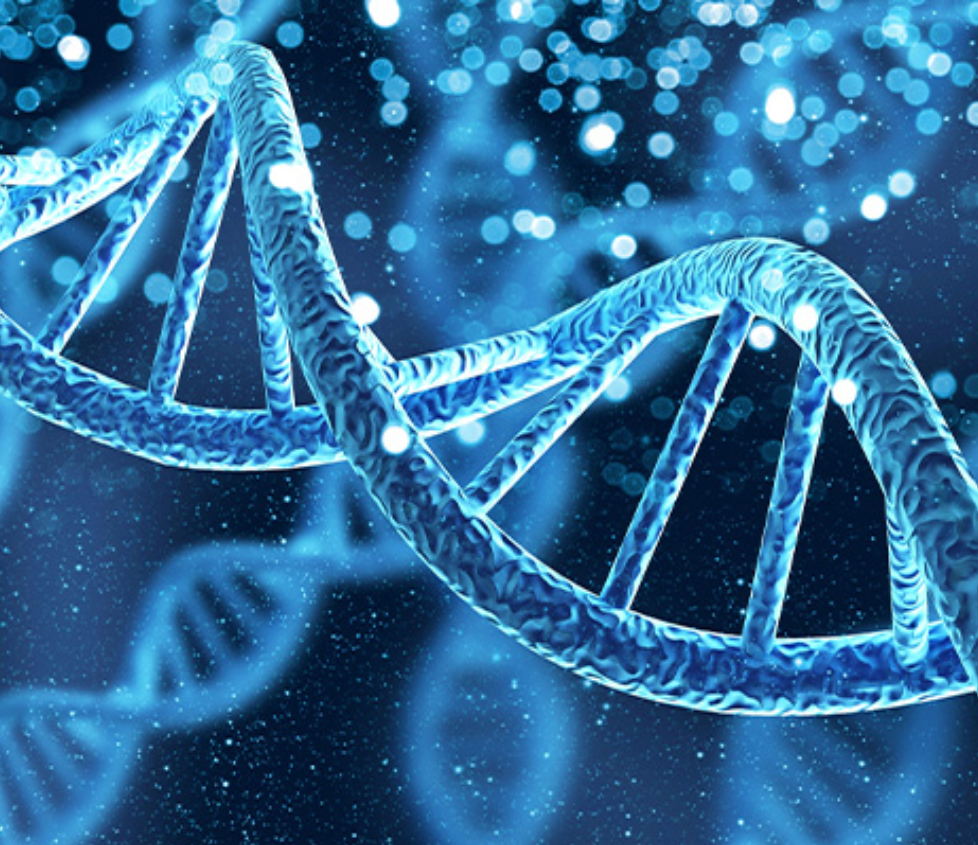
DNA vs Genes vs Chromosomes
The human body is composed of proteins, but what governs their formation? The answer lies in DNA, the blueprint that holds all the information tracing back to the time when the first humans roamed the Earth 249,000 years ago. Genes are specific segments of DNA that provide the instructions for building proteins, while chromosomes are long, structured strands that contain thousands of genes wrapped around proteins. You can think of chromosomes as the "books," genes as the "sentences," and DNA as the "letters" contained within.
Humans possess 22,900 genes and 23 chromosomes. Interestingly, chromosomes 2A and 2B have undergone a unique alteration—the two chromosomes are fused together! While scientists agree that this fusion is not a product of evolutionary processes, they have yet to provide an explanation for it. This chromosomal fusion is directly linked to the size of the human brain, the chakras and aura, a trait not found in any other living beings on Earth.
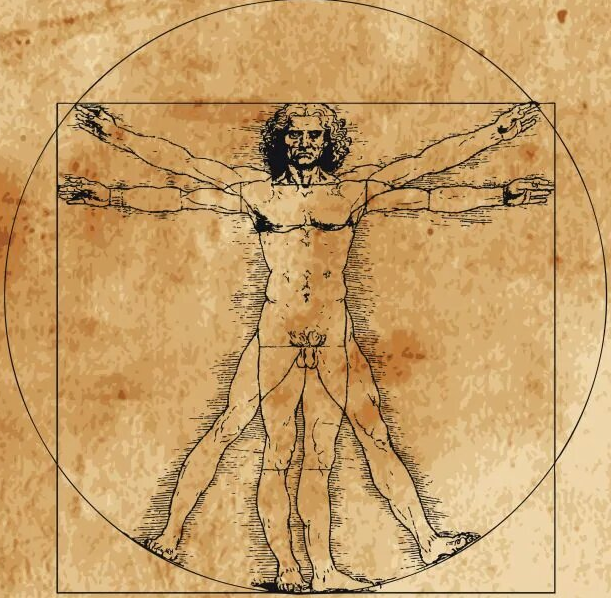
Cells and the Mind
While many view the human body as a singular entity, it's more accurately described as a vast community of 50 trillion cells. Each of these cells is composed of proteins and possesses its own systems, including nervous, digestive, respiratory, musculoskeletal, reproductive, and immune systems. The nucleus, the largest part of the cell, houses chromosomes that serve as blueprints for protein regeneration. Think of the cell membrane as the skin of the cell; it is the cell brain, orchestrating cell function and protein synthesis. The cell membrane acts like an antenna, connecting each cell with our mind. Indeed, the human body and mind are interconnected, both intricately linked to our experience in the third dimension—our world. The mind regulates cell reproduction and determines which DNA is utilized in the process, we are not victims of our genes.
However, humans are only consciously aware of about 5% of their mind, the thinking mind; the remaining 95% operates beneath the surface within the subconscious, the nervous system, and the "brains" of various organs, which work together to control and communicate with our cells. This vast portion of the mind plays a crucial role in cellular reproduction and, ultimately, our overall health.
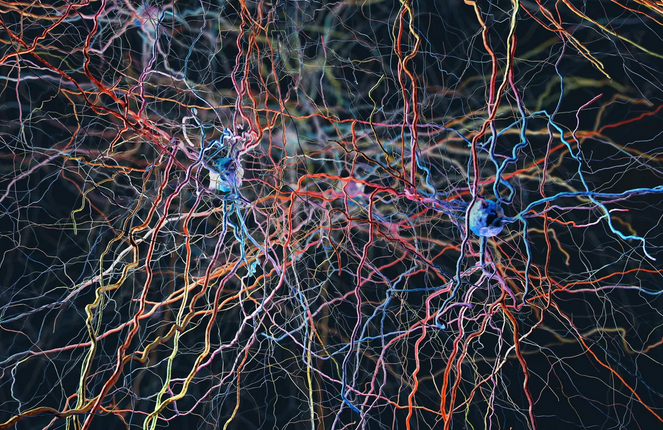
95% of our Mind
The subconscious mind is intricately linked to the aura and will be explored in a future chapter.
The nervous system is a sophisticated network responsible for transmitting signals between the brain and the rest of the body. It detects changes in both internal and external environments (stimuli) through sensory input, sends signals to muscles and glands to facilitate actions (motor output), and regulates essential bodily processes such as breathing, digestion, and heart rate.
Interestingly, the heart possesses its own independent nervous system, often referred to as its "little brain," which comprises approximately 40,000 neurons or sensory neurites embedded in its wall. This unique setup enables the heart to autonomously regulate heart rate, blood pressure, and its functions, independent from the brain's autonomic nervous system. Acting as a processing center, the heart communicates directly with the brain, transmitting more signals than it receives. This interaction influences brain regions associated with emotions, perception, and cognition. The sensory neurites empower the heart to feel, remember, and process information on its own.
Similarly, other organs have their own "little brains," albeit with fewer neurites, allowing them to control their functions independently of the brain's autonomic systems. Remarkably, these organ-based brains generate emotions! Emotions are essentially vibrations, and each organ can produce a specific range of emotional frequencies.
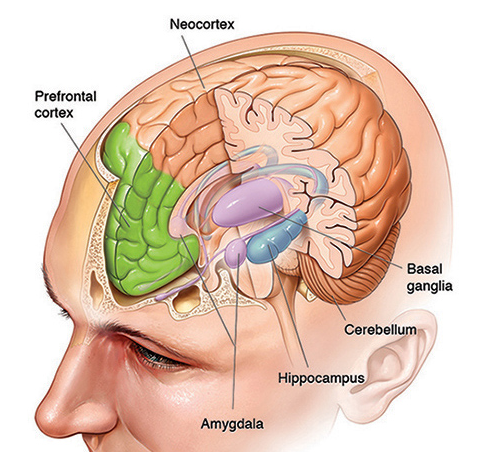
The Brain
The human brain is an extraordinarily complex organ, weighing approximately 1.4 kg and consisting of around 86 billion neurons. It functions akin to a computer's motherboard, managing communication between the physical body and the aura. The brain is only processing, it does not store memory.
The prefrontal cortex is used by the thinking mind, operating at a rate of 40 nerve impulses per second.
The neocortex, cerebellum, basal ganglia, and amygdala are used and governed by the nervous system and the brains of our organs.
In contrast, the hippocampus operates solely through the subconscious at an astonishing rate of 40 million nerve impulses per second—an incredible 1 million times more powerful than our conscious mind.
The pineal gland serves as our connection to the soul, communicating exclusively with the heart.
The Human Energy Field

The Human Energy Field
In quantum physics, everything is energy. Every form of "dense energy matter" or "solid" is accompanied by an energy field that influences its physical properties and appearance. What we perceive as reality is governed by an invisible energy field. As Albert Einstein famously stated, "The field is the sole governing agent of all matter."
The human energy field is unique, regulating not only our physical attributes but also our mind, memories, and beyond. We exist within our energy field, where every thought, emotion, and intuition first manifests on an etheric level. These experiences are then processed by different parts of our body, allowing us to perceive them in the third dimension.

1st Level – Etheric
The etheric layer is the closest to our physical body, reflecting their deep connection. This layer solely governs all the energy that shapes our physical form. Additionally, it is the only aura layer that directly interacts with the physical body; all other layers communicate through the etheric layer.
Given its role in managing information transfer within the aura, it’s no wonder that the brain is directly linked to the etheric layer.
All dysfunctions within the etheric layer are inherited from the higher levels of the aura.

2nd Level – Emotional
The emotional layer acts as a reservoir for all our feelings, serving as a profound memory bank that captures our past experiences through emotions. This is where emotions are generated. While it may sound unusual, quantum physics suggests that not only everything is energy but that distance is merely an illusion; everything exists in a single space.
Our organs translate these emotions into the third dimension.
When emotions aren't fully processed by the body, they create disharmony in the emotional layer and disrupt the energy in the first aura level, ultimately leading to physical and mental health issues.

3rd Level – Mental
The mental layer represents our mind, the center of all thought processes. Here, our conscious and subconscious minds absorb information from the brain, process it, and relay the outcomes back into the physical realm.
This layer also governs the nervous system, which communicates with every cell in the body to ensure proper functioning and reproduction. Additionally, it regulates all organ systems and bodily functions.
Limiting beliefs and negative thoughts create a disharmony that resonates through the first aura level into the physical dimension, often serving as the root cause of various mental and physical conditions.
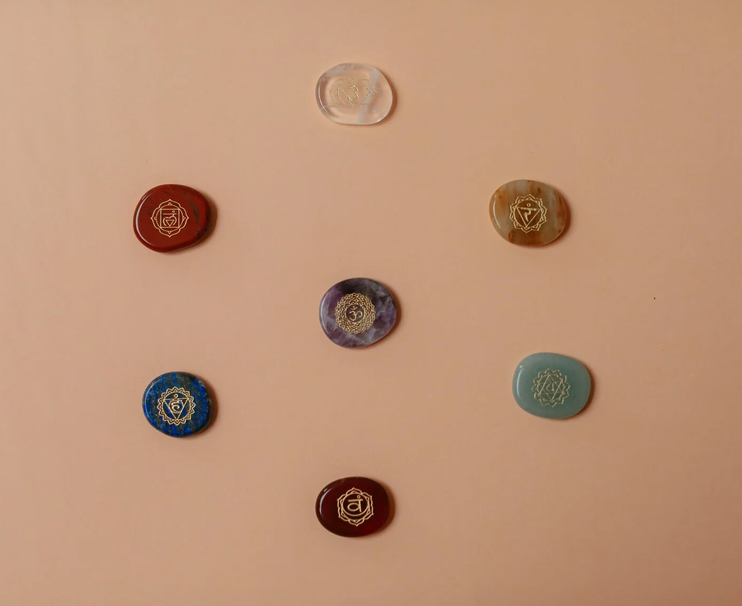
The Chakras
The chakras, often referred to as our energy centers, serve as the vital links between the human energy field and the physical body. Each of the seven chakras corresponds to a specific level of the aura: the 1st level is associated with the root chakra, the 2nd level with the sacral chakra, the 3rd level with the solar plexus chakra, and so on. While the chakras facilitate this connection, it is through the body’s neurons that the energy and information exchange occurs, rather than directly through the chakras themselves.
The Soul

The Soul
The soul is the final piece of the trilogy that includes the human body and energy field. In the dense reality of the third dimension, the soul cannot exist. However, the pineal gland serves as the vital link to our soul. Our only means of communication with the soul is through the aura, which facilitates interaction across all seven levels of the human energy field.
Create Your Own Website With Webador